Open Plan Interior Office Fit Out Concepts
2 min read
Remember rows of high-walled cubicles and corner offices that felt like isolated islands? Modern work has moved on, and so has office design. The open plan concept has become a favorite for its power to break down physical and social barriers, fostering a new kind of workplace energy. It’s a philosophy that prioritizes flow, light, and connection.
Getting this environment right relies on smart interior office fit out concepts that turn the space into a productive and positive community.
Breaking down the walls:
The most obvious change is the removal of solid partitions. This physical opening creates a visual connection across the entire floor. Natural light reaches deeper into the space, brightening every desk. People can see each other, which encourages spontaneous conversations and makes the team feel unified. It moves away from a closed-off feel to one of shared purpose.
Zones for different modes:
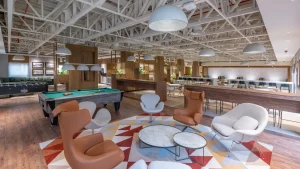
An effective open plan is never just a sea of identical desks. Clever design carves out specific areas for different kinds of work. You might have quiet zones for focused thinking, furnished with sound-absorbing materials. Collaboration hubs with writeable walls and casual seating invite teamwork. A mix of settings gives people the freedom to choose where they work best throughout their day.
The power of flexible furniture:
Fixed, heavy desks are the enemy of adaptability. Lightweight, modular furniture is key. Desks on wheels, movable screens, and reconfigurable meeting tables let the space evolve. Teams can quickly rearrange their area for a project, or the whole layout can shift as the company grows. This flexibility makes the office a tool that serves changing needs.
Managing the soundscape:
Noise is the classic worry with open plans. A good fit out tackles this head-on. Acoustic panels on ceilings and walls, soft floor coverings, and sound-muffling furniture fabrics all help absorb chatter. Sometimes, designated phone booths or enclosed pods are added for private calls. The aim is a comfortable hum of activity, not a distracting roar.
A visual translation of your brand:
Without many walls, other elements carry the visual identity. A cohesive color palette, distinctive lighting fixtures, and branded graphics become central. Materials like wood, glass, or metal are chosen carefully to convey a specific feel. This styling turns the open space into a true reflection of the company’s character, felt by everyone in it.