The Environmental Side Of Real Estate Development Most People Ignore
2 min read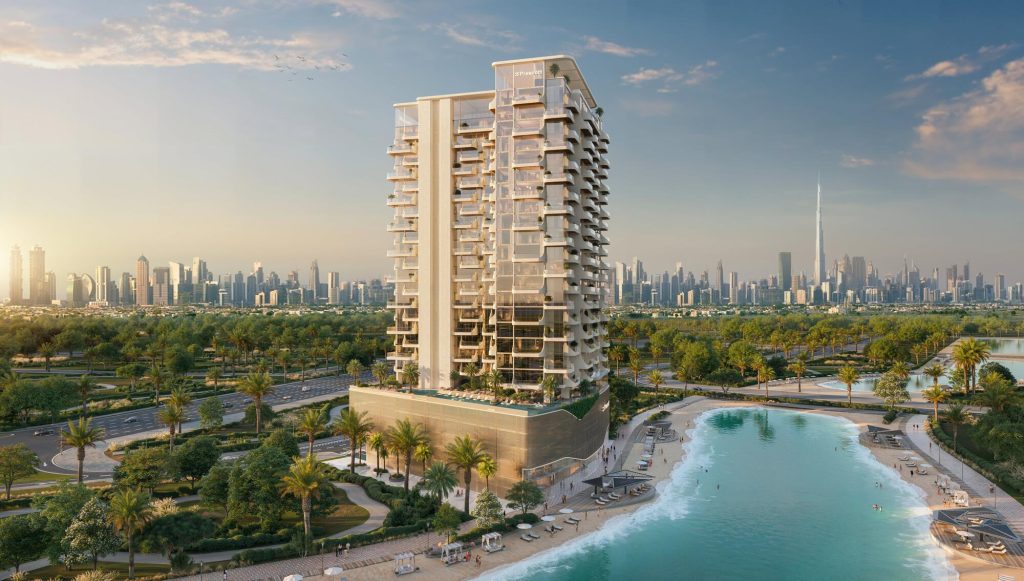
Modern buildings promise comfort, convenience, and economic growth, but their construction leaves marks that extend beyond city streets. Trees disappear, natural habitats shrink, and valuable resources face increasing pressure. Behind every new project lies an environmental story worth examining.
Responsible real estate development in Dubai starts with recognizing its ecological impact and making sustainability part of every construction decision.
The hidden cost of construction
Construction activities consume enormous quantities of natural resources, including sand, stone, timber, water, and energy. Heavy machinery releases exhaust fumes, while cement production contributes significantly to carbon emissions. Excavation also disturbs soil structures and removes vegetation that supports local wildlife.
Developers who overlook these effects add pressure to already strained ecosystems. Sustainable building practices help reduce resource consumption and limit unnecessary environmental damage during every project phase.
Loss of green spaces and wildlife
Expanding residential and commercial areas frequently replaces forests, wetlands, and open fields with concrete structures. Such changes leave birds, insects, and small animals with fewer places to shelter and feed.
Trees also provide shade, absorb carbon dioxide, and regulate local temperatures. Developers who preserve existing greenery protect biodiversity and support healthier communities. Green roofs, landscaped courtyards, and native plants offer practical solutions within urban projects.
Water consumption and drainage problems
Large developments place considerable pressure on local water supplies through construction work, landscaping, and daily building operations. Excessive groundwater extraction may affect nearby communities and natural habitats.
Poor drainage systems also increase surface runoff, soil erosion, and flood risks during heavy rainfall. Rainwater harvesting, efficient plumbing fixtures, permeable pavements, and wastewater recycling help projects manage water resources responsibly.
Energy use and carbon emissions
Buildings consume energy throughout their operational lives. Heating, cooling, lighting, and ventilation systems contribute to electricity demand and associated emissions. Poor insulation and inefficient equipment increase consumption even further.
Developers who install solar panels, energy efficient appliances, natural ventilation systems, and effective insulation reduce long term environmental pressure. Smart building controls also help occupants manage electricity consumption without sacrificing comfort.
Making sustainability a development priority
Environmental responsibility starts before construction begins. Developers should assess local ecosystems, select durable materials, reduce construction waste, and establish measurable sustainability targets.
Recycling facilities, public transport connections, shaded walkways, and green communal spaces support environmentally responsible communities. Buyers and investors also encourage better standards by examining energy performance and environmental certifications before making decisions.